
The Pacific Northwest Climate Investor: Aligning Your Portfolio With Seattle’s Climate Economy
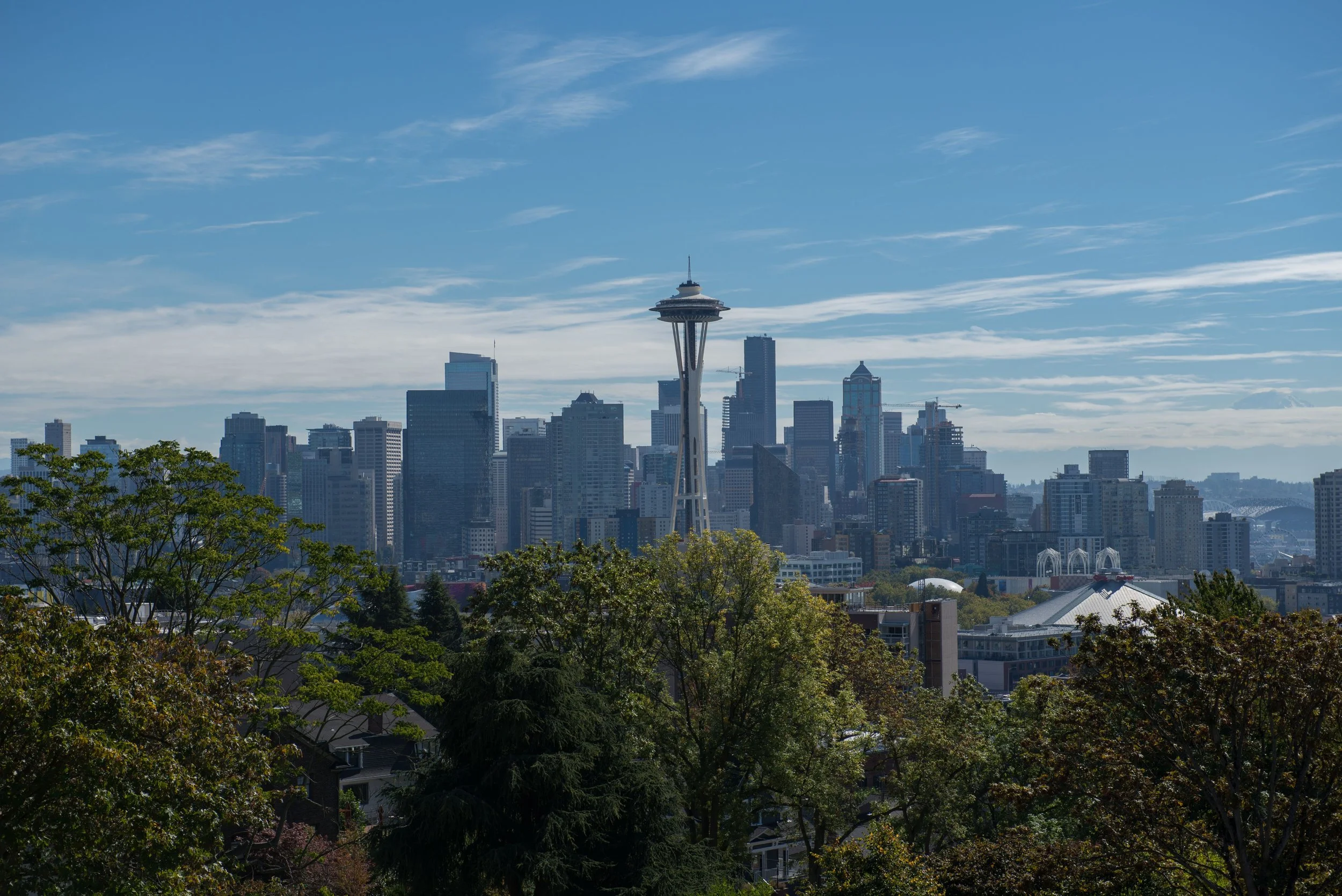
The Pacific Northwest has long approached environmental issues in its own way, setting itself apart from other regions.
In places like Seattle, sustainability goes beyond policy or marketing language. It’s woven into the region’s economy. For years, local businesses, universities, and research centers have worked on technologies to tackle climate issues, including renewable energy, new materials, and better infrastructure.
This leads local investors to an important question.
If the local economy is helping drive climate innovation, how should an investor’s portfolio reflect that? For many investors in the Pacific Northwest, aligning investments with the region’s climate economy and environmental leadership feels natural, not just a passing trend.
The Climate Economy Is Already Here
People often talk about climate innovation as something for the future, but in the Pacific Northwest, it’s already underway.
Seattle and the surrounding region host a growing ecosystem of companies working in areas such as:
Clean energy technology
Sustainable transportation
Energy-efficient building systems
Advanced materials and recycling
Climate data and environmental analytics
Many of these companies work behind the scenes in supply chains that support industries worldwide. They might not make the news, but they play a real role in the expanding climate economy.
For investors, this is a chance to look at their portfolios not just by sector, but by the bigger economic changes happening now.
Why Geography Still Matters in Investing
Today’s financial markets are global, but where you live still shapes how you see investment opportunities.
People often know the industries in their own communities best. For example, a tech worker in Seattle might keep up with software companies, while someone near farms may see agriculture differently than city investors do.
The same idea applies to climate innovation.
People in the Pacific Northwest have a particular relationship with the natural world that is hard to replicate elsewhere. The Cascades are visible from downtown Seattle on a clear day. The Puget Sound is part of the commute for many residents. Old-growth forests begin where the suburbs end. For many people who live here, the landscape isn’t just a backdrop. It’s something they are actively involved in. That proximity creates a different kind of environmental awareness than you find in regions where nature is mostly something you drive to on weekends. It also creates a different kind of political will.
That political will shows up in policy. Seattle City Light, the city’s municipal utility, has been carbon-neutral since 2005, drawing the vast majority of its power from hydroelectric sources and, by policy, committing to keep the grid that way. For residents, plugging in a device or charging a vehicle already carries a smaller environmental footprint than it does in most American cities. That’s not a future goal. It’s the current baseline.
The city has also built sustainability into its requirements for new construction. Seattle mandates that commercial and multifamily buildings above a certain size meet green building certification standards, and it has tightened those requirements over time rather than relaxing them. The logic is the same: people here expect their built environment to reflect the values of the place they live in. That expectation, backed by code, sends a durable signal to developers, materials suppliers, and contractors across the entire region.
Beyond Traditional ESG Screens
Investing in the Pacific Northwest’s climate economy doesn’t have to mean cutting out whole industries or using strict rules. Instead, investors can approach the question through a broader lens.
They look for companies that create real solutions to environmental problems, improve energy efficiency, or build the infrastructure needed for a lower-carbon future.
This approach is less about avoiding the past and more about finding companies that are shaping the future.
Often, these companies come from places that already focus on sustainability.
The Role of Innovation and Technology
The Pacific Northwest is now a key center for climate innovation.
Research centers, investors, and big tech companies all help build a growing network focused on environmental solutions.
This setting encourages new ideas and experiments in areas such as:
Clean energy generation
Energy storage technology
Sustainable cloud infrastructure
Electrification of transportation
Carbon measurement and climate data systems
Some of these new ideas turn into public companies, while others affect supply chains in many industries.
Either way, they help shape the long-term economy that investors need to understand.
Investing With Both Place and Purpose in Mind
For some investors, aligning their portfolios with local climate innovation is driven by both financial and personal reasons. Living in the Pacific Northwest often means experiencing environmental stewardship as part of daily life. Local culture values conservation, outdoor spaces, and long-term resource management.
These values can easily shape how people make financial choices. Investors may choose to support companies contributing to climate resilience, sustainable infrastructure, and responsible environmental practices.
This isn’t about making a political statement.
It’s about reflecting how they see the future taking shape.
Balancing Opportunity With Diversification
Even if investors feel closely tied to their local economy, it’s still important to diversify.
A climate-focused portfolio should still include a mix of sectors, industries, and global markets.
Climate-focused companies are part of a bigger economic system. Energy, manufacturing, software, and logistics all help move toward a lower-carbon economy.
By diversifying, investors can join in these changes without putting too much risk in one place.
A Long-Term Perspective
The climate economy isn’t changing overnight. Many big shifts will happen slowly over many years.
Energy systems will change, transportation will become electric, and industries will adapt. New technologies will appear, and some early ideas may not work out before better ones come along.
Investors will need patience for this long-term change.
Investing in climate innovation isn’t about guessing short-term winners. It’s about understanding where long-term change is headed.
The Pacific Northwest as a Window Into the Future
In many ways, the Pacific Northwest gives us a glimpse of how environmental priorities could shape economies in other places.
Cities like Seattle show that sustainability, technology, and economic growth can work together instead of competing.
For local investors, investing in the region’s climate economy feels less like an abstract idea and more like a natural part of daily life.
And it may also show where the world is going next.
Diversification does not assure a profit or protect against loss in declining markets, and diversification cannot guarantee that any objective or goal will be achieved
FAQs
What is climate-focused investing?
Climate-focused investing involves allocating capital toward companies developing solutions for environmental challenges, including renewable energy, energy efficiency, and sustainable infrastructure.
Does investing in climate solutions mean giving up diversification?
No. Many climate-focused companies operate across different industries, allowing investors to maintain diversified portfolios while supporting environmental innovation.
Why is the Pacific Northwest important for climate innovation?
The region hosts a strong network of technology companies, research institutions, and policy initiatives that support the development of climate-related technologies and sustainable infrastructure.
Is climate investing the same as ESG investing?
Climate investing is often considered one part of ESG investing. While ESG evaluates environmental, social, and governance factors broadly, climate investing focuses specifically on environmental and energy-related solutions.
Can climate investing be part of a long-term portfolio?
Many investors view climate innovation as a long-term economic trend. As energy systems and infrastructure evolve, companies addressing climate challenges may play an increasingly important role in global markets.